
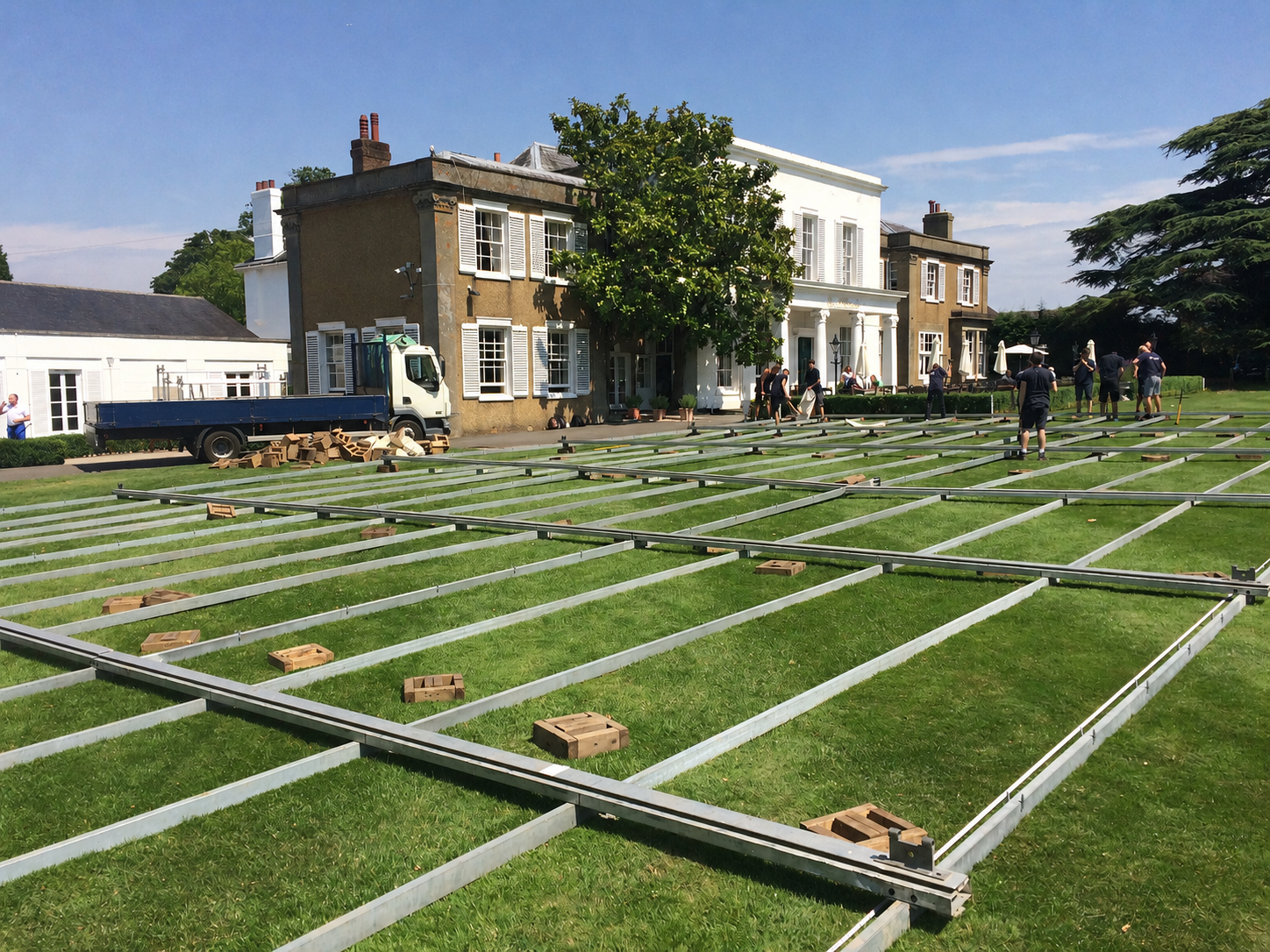
Temporary event building installation can often be managed while a venue remains open, but only with careful planning around bookings, access routes, guest movement, ground protection, safety zones, fit-out and handover. This guide explains what venues need to consider before installing additional event space on a live operational site.
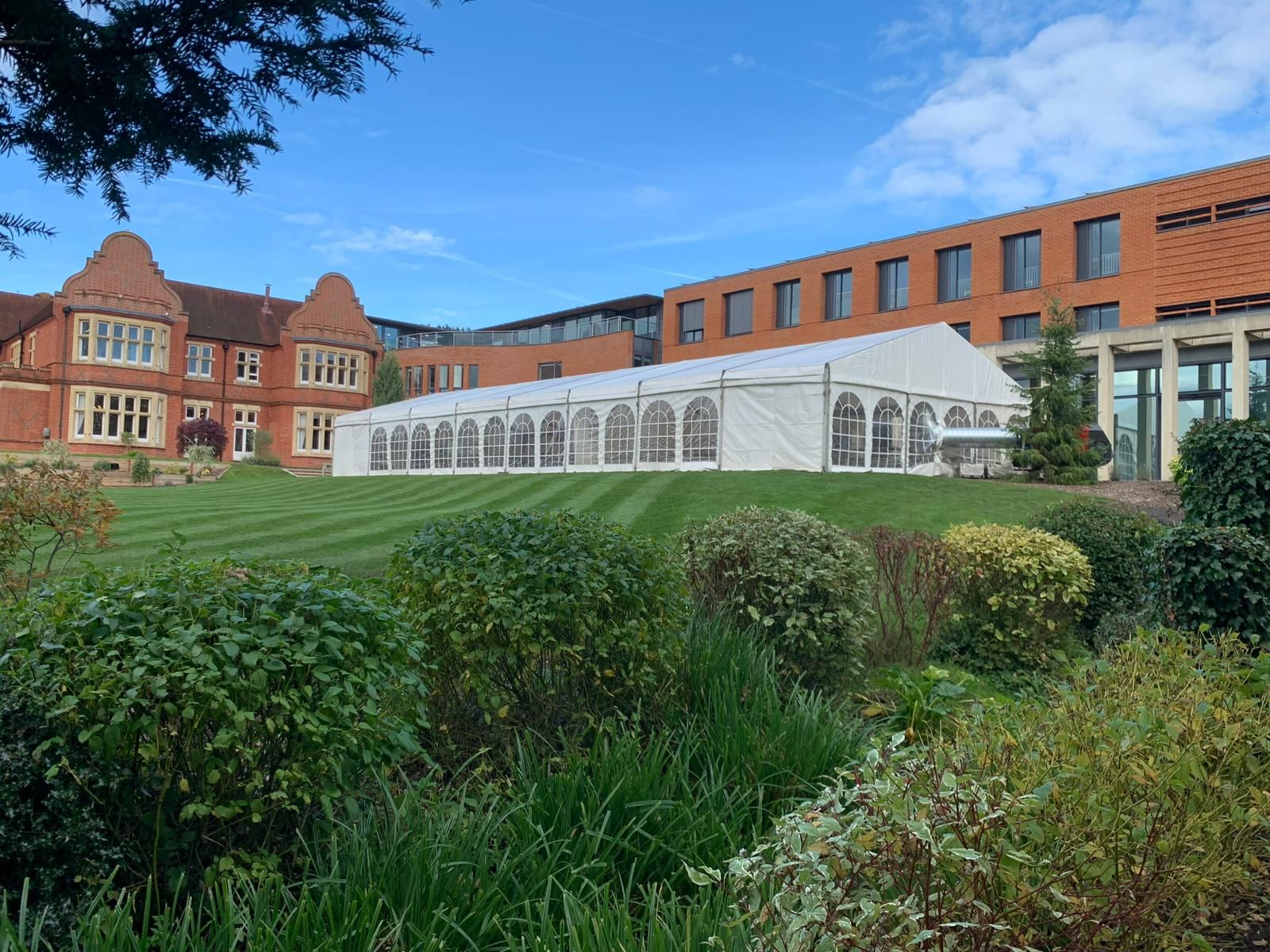
Temporary event buildings can work for heritage venues, stately homes and premium estates when they are planned around the setting, sightlines, guest movement, ground protection and visual impact. This guide explains how venue teams can assess suitability before committing to additional event capacity.
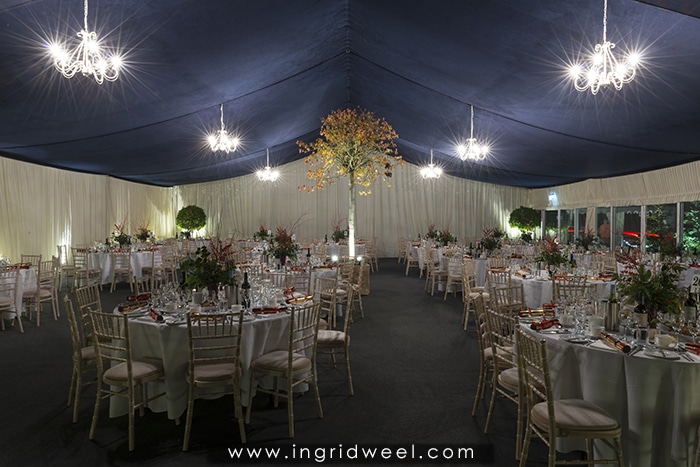
A guest-ready temporary event building needs to do more than provide covered space. This guide explains the key elements venues should consider, from flooring, heating, lighting and power to catering routes, guest facilities, access, safety and fit-out.
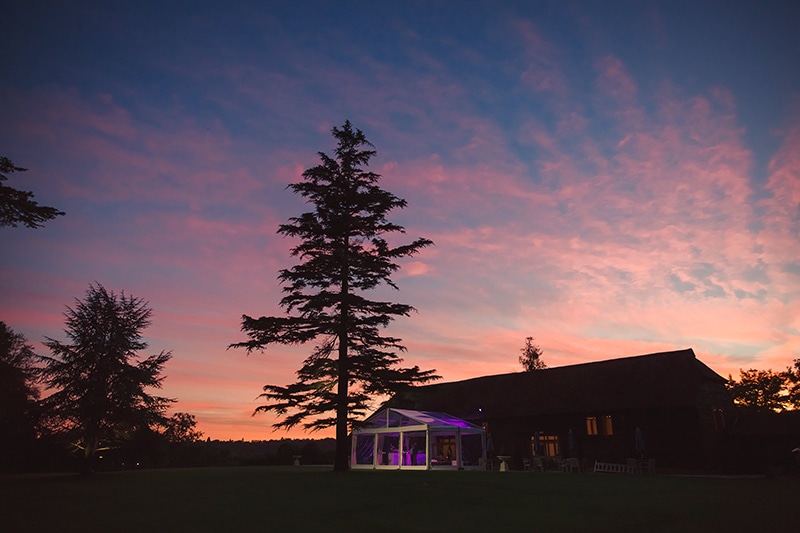
Seasonal marquee planning permission can affect how confidently venues commit to Christmas parties, summer weddings and temporary event space. This guide explains the key planning considerations, the limits of the 28-day rule, and what venues should check before installing a seasonal marquee or temporary event building.
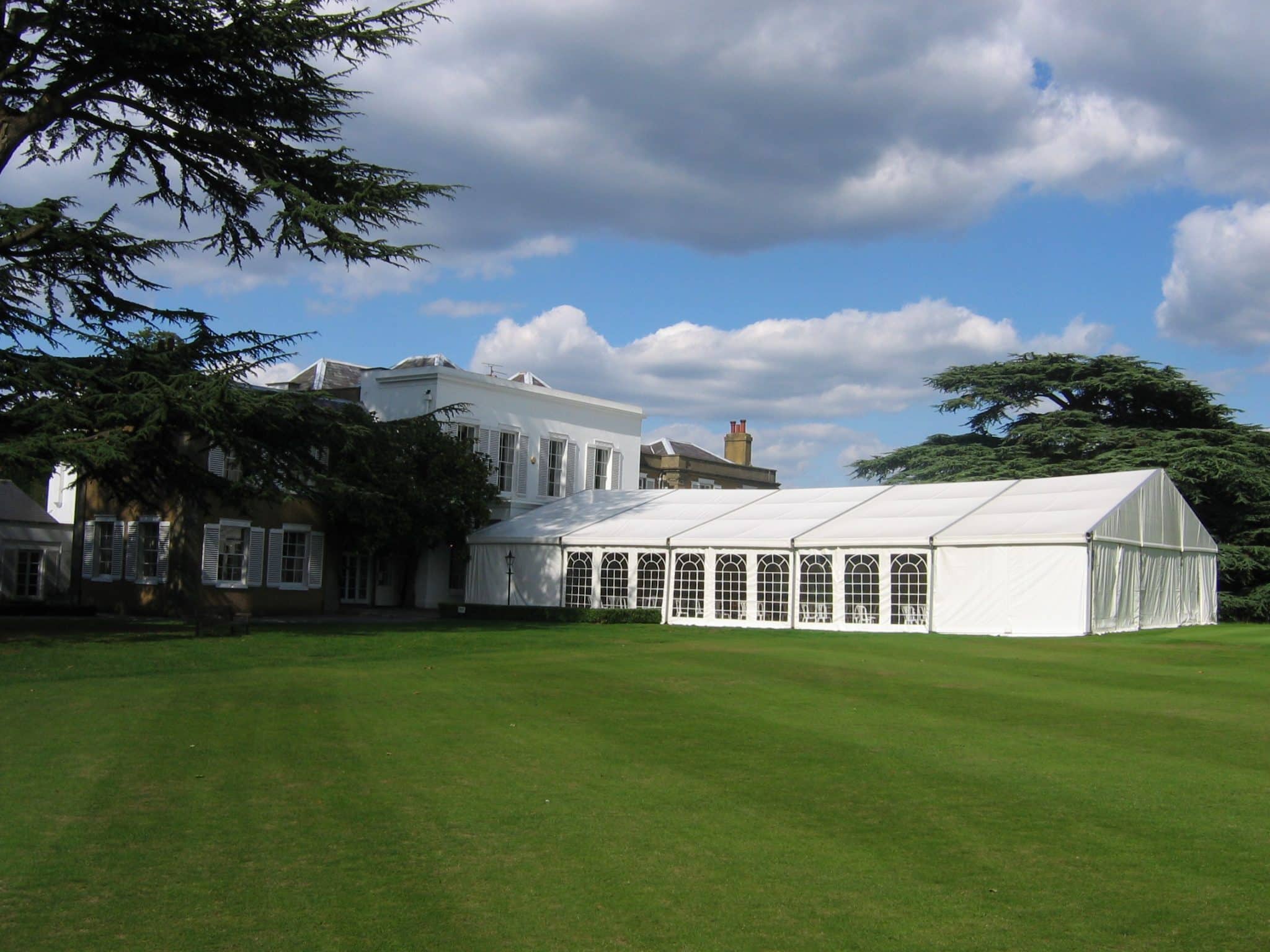
How long a venue can keep a temporary event structure in place depends on how the space will be used, the site conditions, planning position and commercial objective. This guide explains the difference between short-term, seasonal, medium-term and semi-permanent event structure use, helping venues plan additional capacity around guest experience, maintenance, inspections and return on investment.
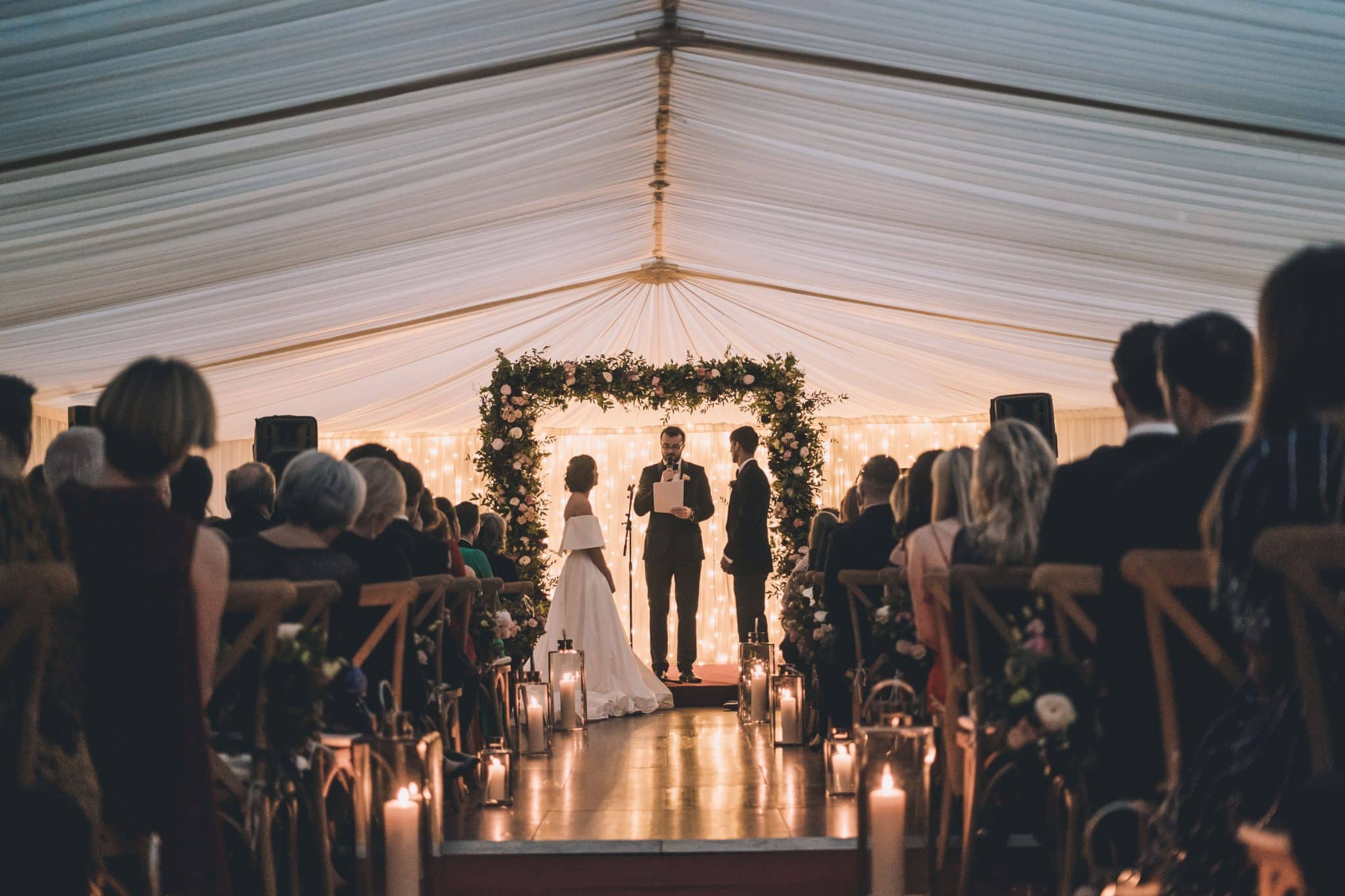
Wedding venues can increase summer capacity by turning suitable lawns, gardens, terraces or courtyards into guest-ready event space with temporary or semi-permanent structures. This article explains how to plan additional wedding venue capacity around guest flow, weather protection, catering access, infrastructure and visual integration, so larger or more flexible summer weddings can be sold with confidence.
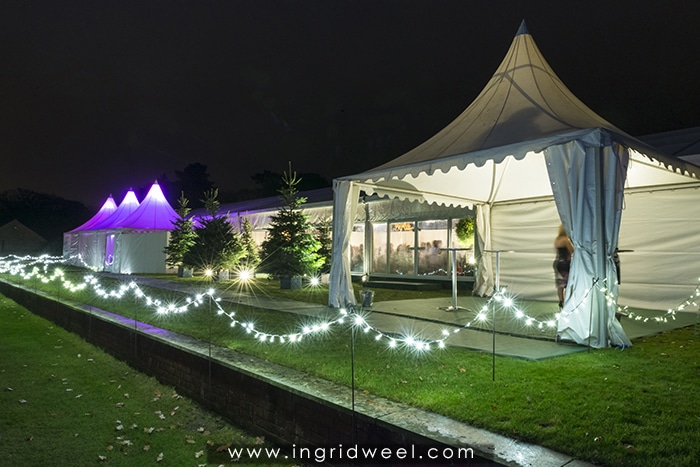
Venues can create additional Christmas party venue space with temporary or semi-permanent event structures planned for winter use. This article explains how to assess capacity, guest comfort, heating, flooring, weather protection, access and operational flow before selling festive event space.
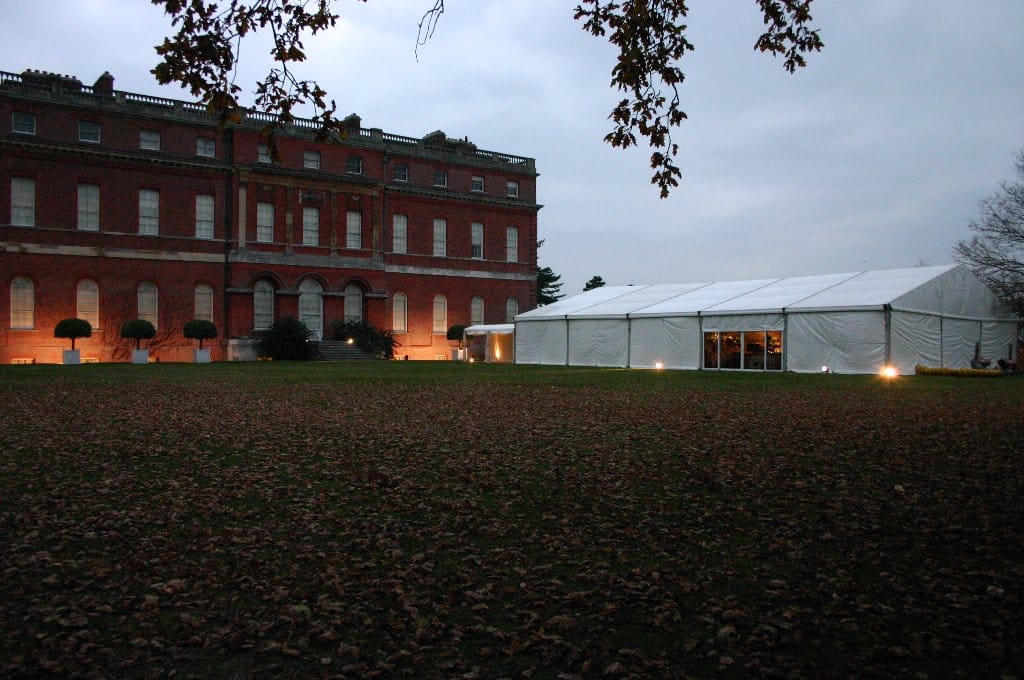
Venues can increase capacity without permanent building work by using temporary or semi-permanent event structures to create additional guest-ready space. This article explains how to assess demand, site suitability, operational flow and specification before extending usable event space.


Long term marquee hire, temporary buildings and semi-permanent structures. Covering Surrey, London and the Southeast (projects UK-wide by agreement).
Join our mailing list: