How Quickly Can Temporary Buildings Be Installed in an Emergency?
When fire, flood or storm damage has interrupted operations, timing becomes one of the first practical questions. You need to understand whether a temporary building can restore usable space quickly enough to reduce downtime, protect commitments and give the wider recovery plan more control.
For businesses facing disruption, business continuity temporary buildings provide a practical way to reinstate operational space while longer-term recovery plans are still being defined.
In Short
A temporary building can sometimes be installed within days in a best-case emergency scenario, but many projects take longer once site condition, access, structure specification, safety checks and logistics are considered. The fastest outcomes usually happen when the site is ready, the requirement is clearly defined and key decisions are made early.
Recovery Priorities at a Glance
- Emergency installation timelines vary from fast, straightforward deployments to more constrained programmes where site damage, access or specification creates delays.
- Site readiness is one of the biggest factors affecting temporary building installation time.
- Fire, flood and storm damage can each create different constraints that must be assessed before installation begins.
- Early engagement, clear scope definition and practical site preparation can help reduce avoidable delay.
- Speed should be planned realistically, not assumed, because safety, compliance and logistics still need to be managed.
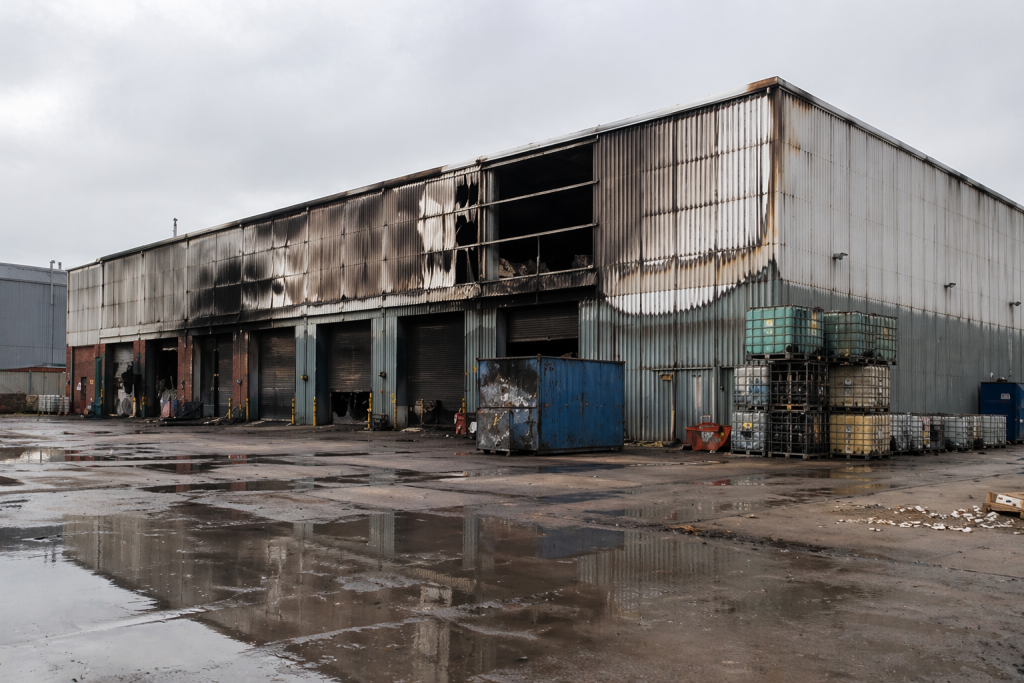
Table Of Contents – In this article:
- How quickly can a temporary building be installed in an emergency?
- What is the fastest possible installation timeline?
- What factors affect how quickly a temporary building can be installed?
- What delays temporary building installation in emergency situations?
- How can you speed up temporary building installation?
- What is a realistic timeline for restoring operational space?
- What should your next operational priority be?
- Next step
- Temporary Building Installation FAQs
How quickly can a temporary building be installed in an emergency?
In a straightforward emergency scenario, a temporary building may be installed within a short timeframe, potentially within days once the site is accessible and the requirement is clear. In practice, the full timeframe depends on more than the physical installation itself.
For an operations manager or facilities lead, the more useful question is not simply how fast the structure can be assembled, but how quickly a safe, suitable and usable building can be brought into the recovery plan. That includes understanding the site condition, agreeing the structure type, confirming access, preparing the ground and coordinating installation activity around any ongoing recovery work.
This is why emergency temporary building installation should be treated as an operational recovery decision rather than a product delivery exercise. A building that arrives quickly but cannot be installed safely, accessed properly or used for the required function may not reduce disruption in the way the business needs.
For business continuity situations, LM Structures’ Business Continuity Structures and Emergency Response Solutions are most relevant where the priority is to restore functional space after fire, flood, storm damage or another operational interruption. The value lies not only in speed, but in matching the temporary structure to the site, the use case and the recovery timeline.
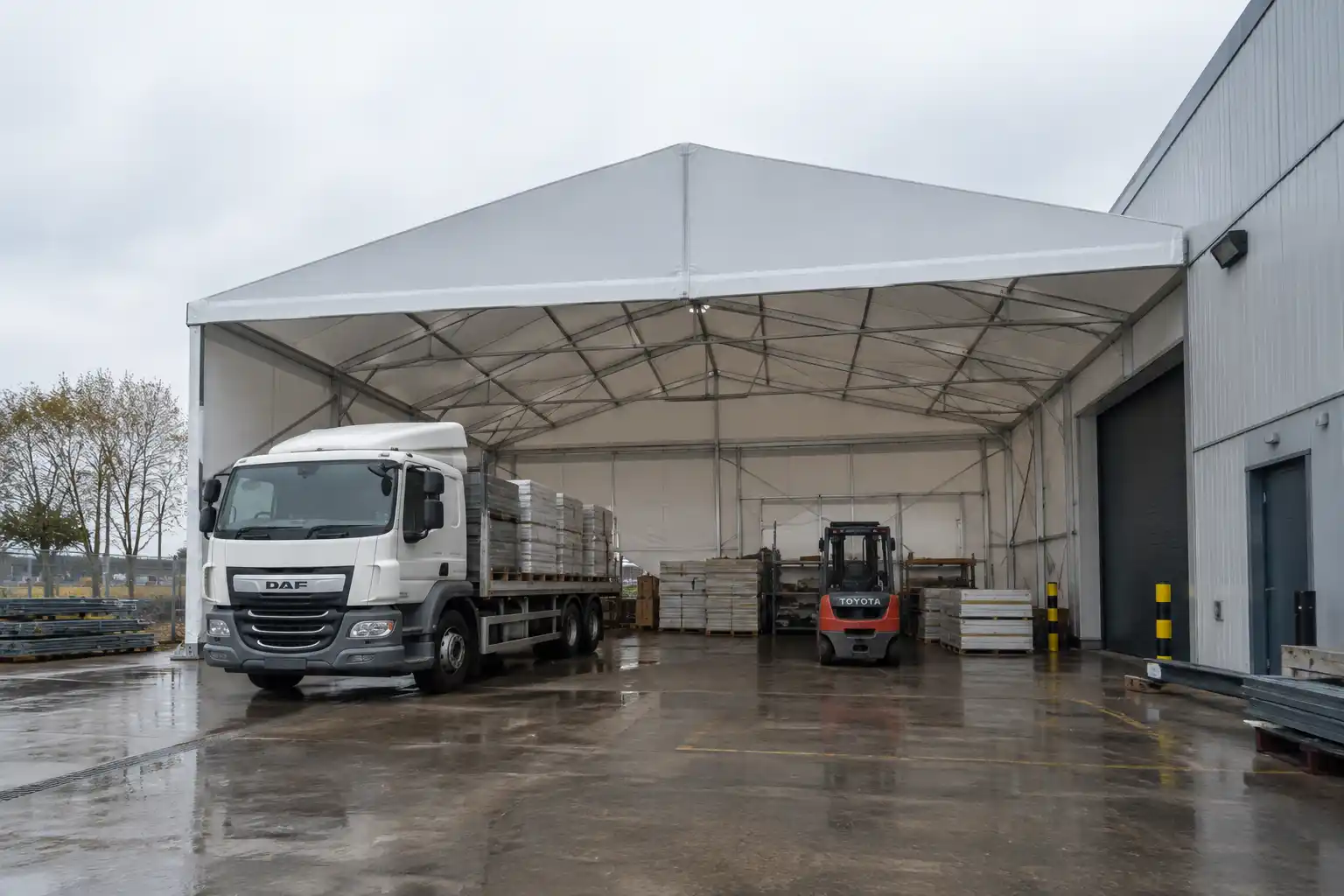
The most realistic answer is that installation can be fast when conditions are favourable, but it should always be planned against the specific site and operational requirement. A simple storage structure on a prepared, accessible site will usually move more quickly than a larger building needed for active operations on a damaged or restricted site.
What is the fastest possible installation timeline?
The fastest possible timeline usually depends on three conditions being in place: the site is ready, the structure requirement is straightforward and decisions can be made without delay. When these factors align, temporary buildings can often be progressed much faster than permanent construction or more complex fixed alternatives.
A best-case scenario may involve:
- Clear access for vehicles, equipment and installation teams
- A usable area of ground that does not require significant preparation
- A defined structure size and use case
- Available materials or a suitable stock solution
- Fast internal approval from the business
- Minimal uncertainty around permissions, safety or site restrictions
In these circumstances, the installation phase itself may be relatively quick. However, the programme should still allow for assessment, specification, logistics and safe working arrangements. The Health and Safety Executive’s guidance on temporary works reinforces the need for temporary structures to be planned, installed and used safely, which is why time-critical work still needs proper coordination.
For a business under pressure, this distinction matters. The visible installation may be only one part of the timeline. A faster outcome usually comes from reducing uncertainty before installation begins: confirming what space is needed, what the structure must support operationally, where it can be installed and what site constraints need to be managed.
Fire, flood and storm scenarios can each affect the best-case timeline differently. After a fire, there may be safety exclusion zones or damaged infrastructure to work around. After a flood, ground conditions and contamination risks may need consideration. After storm damage, access routes, debris and remaining structural hazards can affect when installation work can begin.
The fastest route is therefore not simply choosing the quickest building. It is creating the conditions that allow the right temporary building to be installed without avoidable delay.
What factors affect how quickly a temporary building can be installed?
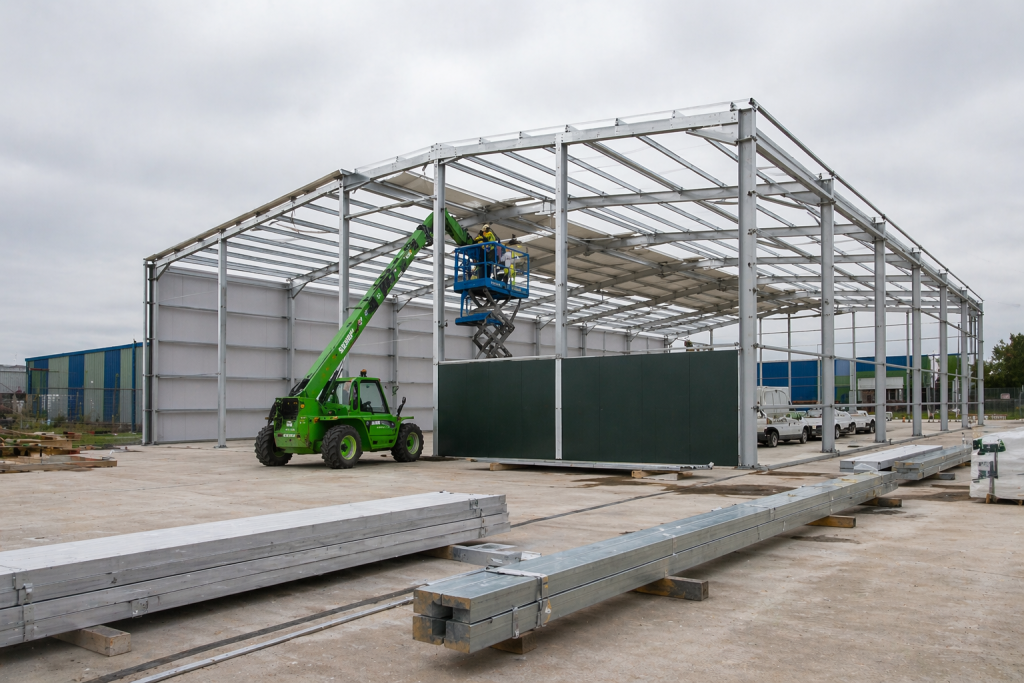
Temporary building installation time is influenced by several connected factors. Some relate to the structure itself, but many relate to the site and the decisions surrounding it.
Site condition and readiness
Site condition is often the first constraint. A temporary building cannot be properly planned in isolation from the ground, access routes, surrounding buildings and any remaining damage.
Important considerations may include:
- Whether the proposed installation area is clear and accessible
- Whether ground conditions are suitable
- Whether debris, water damage or fire-damaged materials remain present
- Whether vehicle access is available for delivery and installation
- Whether other recovery contractors are still working in the same area
Where a site is damaged, restricted or still being made safe, installation may need to be phased around other recovery activity. This is where the related question of whether you can install temporary buildings on a damaged or restricted site becomes important, because the answer often depends on practical site assessment rather than headline installation speed.
Structure type and specification
The type of temporary building required also affects speed. A relatively simple storage building will normally be easier to specify and install than a structure that needs to support more complex operational use. Choosing between different temporary building types for business use will often influence both the specification process and the overall installation timeline.
Factors that may influence the programme include:
- Building size
- Height and span requirements
- Door access and loading requirements
- Internal layout needs
- Heating, lighting or other service requirements
- Whether the building is for storage, production, customer-facing use or operational teams
Specification decisions should be made carefully, because the fastest available structure is not always the most useful one. If the building does not support the required activity, the business may still experience operational inefficiency, even if installation happens quickly.
Logistics and availability
Emergency situations often require several moving parts to be coordinated quickly. Materials, transport, access equipment, installation teams and site availability all influence the final timeline.
A delay in one part of the chain can affect the wider programme. For example, if the site cannot receive vehicles on the planned day, or the specification changes after materials have been arranged, the installation window may shift. Clear communication between the business, site teams and supplier reduces this risk.
Compliance and safety considerations
Compliance and safety requirements can also affect installation time. These should not be seen as administrative delays; they are part of making the temporary building usable and appropriate for the situation.
Depending on the site and use case, the programme may need to account for:
- Site safety requirements
- Risk assessments and method statements
- Temporary works considerations
- Fire safety considerations
- Access and egress
- Local planning or permitted development considerations
The Planning Portal’s guidance on temporary buildings notes that some temporary buildings may fall under permitted development, but criteria apply and local planning rules should be checked. For emergency projects, this means planning assumptions should be clarified early rather than left until the installation programme is already under pressure.
What delays temporary building installation in emergency situations?
Delays are rarely random. In most emergency scenarios, they can be traced back to a small number of predictable constraints that affect how quickly installation can begin and proceed safely.
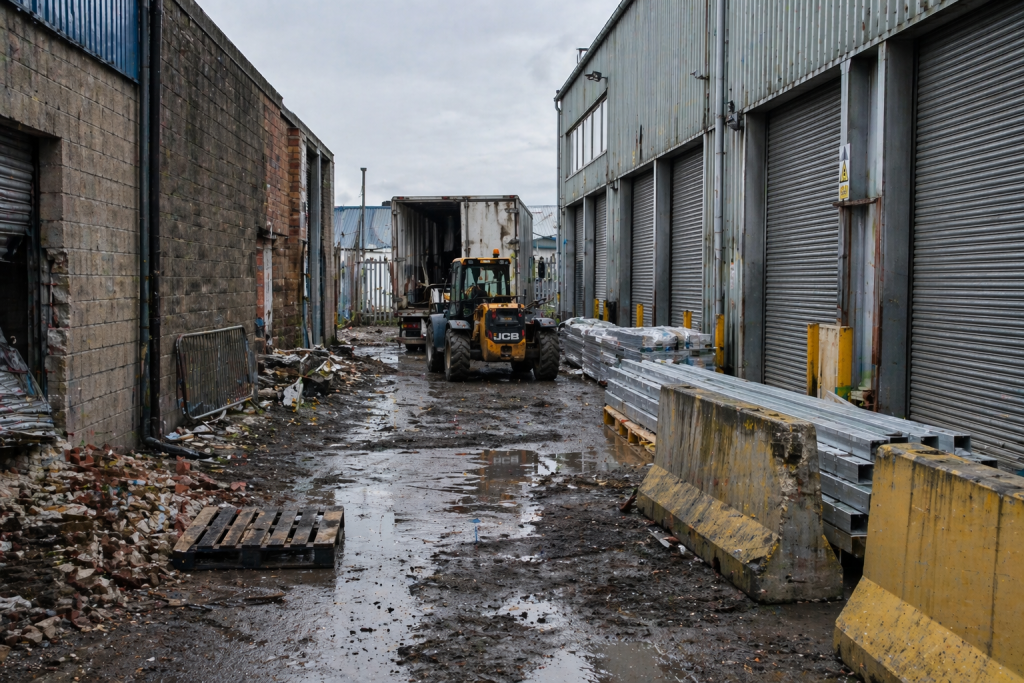
One of the most common causes is limited site access. If vehicles cannot reach the installation area, or if access routes are shared with other recovery activity, installation may need to be phased or rescheduled. This is particularly relevant after storm damage, where debris or structural instability can restrict movement around the site.
Ground conditions can also introduce delay. After flooding, surfaces may be unstable, contaminated or unsuitable for immediate use. In fire-damaged environments, the ground may be affected by heat, debris or residual hazards. In both cases, some level of site preparation is often required before installation can proceed.
Another frequent issue is unclear or evolving scope. Where the business has not yet defined exactly what the temporary building needs to support, specification decisions may change mid-process. This can affect structure selection, logistics and installation sequencing, extending the overall timeline.
Compliance and safety requirements can also slow progress if they are addressed late. Risk assessments, safe working arrangements and temporary works considerations must be resolved before installation begins. Attempting to accelerate installation without these in place often results in delay rather than speed.
From a commercial perspective, each of these delays has a direct impact. Extended downtime can affect revenue, disrupt customer commitments and place pressure on supply chains. This is why identifying constraints early is not simply an operational task, but a commercially important step in managing recovery.
How can you speed up temporary building installation?
While some constraints are unavoidable, many aspects of the installation timeline can be influenced by early and informed decision-making.
The first priority is to engage early. Bringing a temporary building provider into the conversation as soon as possible allows site conditions, access and feasibility to be assessed quickly. This reduces the risk of planning around assumptions that later prove incorrect.
Clear scope definition is equally important. The business should identify what the building needs to achieve operationally – whether that is storage, production, staff accommodation or customer-facing use. A well-defined requirement reduces the likelihood of specification changes, which are a common cause of delay.
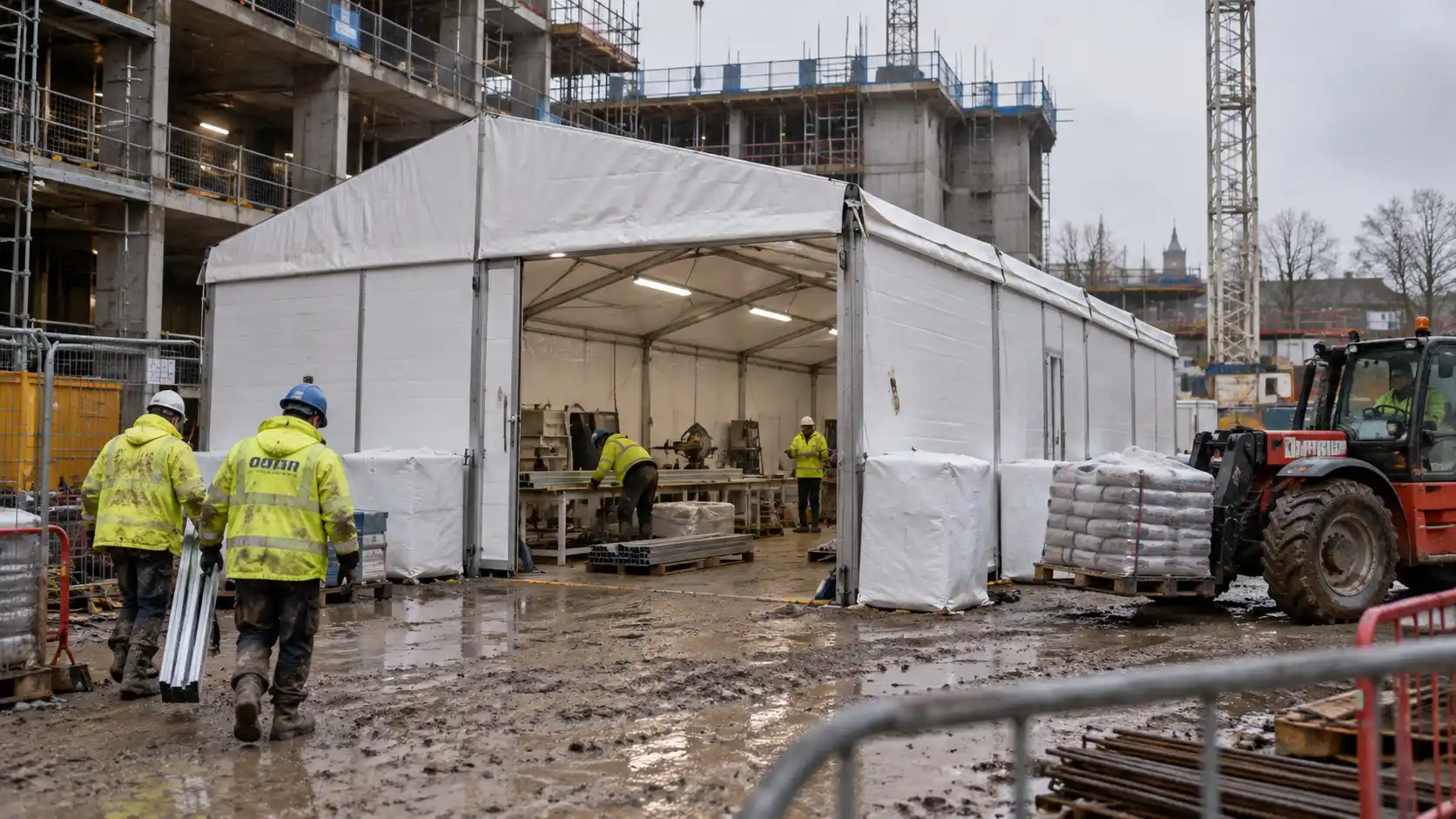
Site preparation can also make a significant difference. Where possible, clearing debris, confirming access routes and identifying a viable installation area before installation teams arrive can shorten the programme. In some cases, this work can be coordinated alongside other recovery activity.
Decision speed matters. Emergency scenarios often involve multiple stakeholders, including internal teams, insurers and external contractors. Delays in approvals or uncertainty around responsibilities can slow progress. Establishing a clear decision pathway helps maintain momentum.
There is also a benefit in understanding what to expect during installation. Knowing how temporary buildings are typically installed on a live site through the temporary building installation process can help align expectations and avoid disruption between installation activity and ongoing operations.
Finally, aligning the building specification with what is realistically achievable in the timeframe can prevent delays. A slightly simpler solution that can be delivered quickly may restore operational capacity faster than a more complex option that requires longer to plan and install.
What is a realistic timeline for restoring operational space?
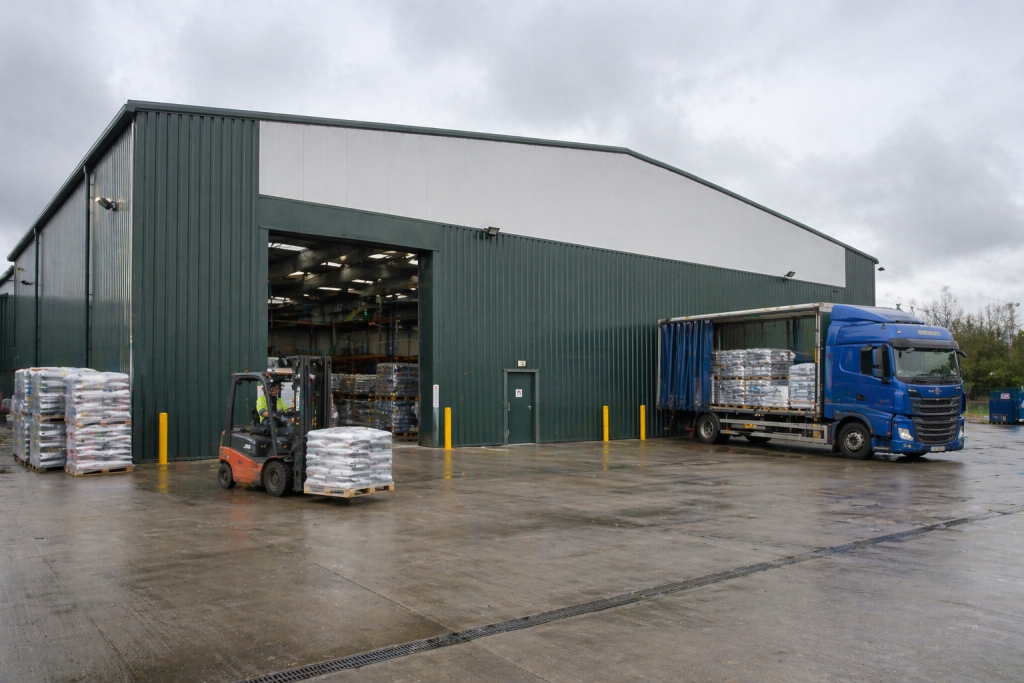
A realistic timeline depends on how the factors discussed earlier combine in a given scenario. Rather than a single answer, it is more useful to think in terms of a range.
In a best-case scenario, where the site is accessible, the requirement is straightforward and decisions are made quickly, installation can move at pace and usable space may be restored within a short timeframe.
In a typical scenario, some level of coordination, preparation and specification work is required. This may extend the timeline, but still allows for a relatively fast recovery compared to permanent construction.
In a constrained scenario, where site damage is significant, access is limited or the structure requirement is more complex, the timeline may extend further. This is not a failure of the solution, but a reflection of the conditions on site.
The key point for decision-makers is that temporary buildings offer a flexible and often faster route to restoring operational space, but they still need to be planned against real-world conditions. Overestimating speed can lead to unrealistic recovery plans, while underestimating what is possible can delay action unnecessarily.
The most effective approach is to assess the site early, define the requirement clearly and build a timeline based on the actual constraints and opportunities present.
What should your next operational priority be?
At the point where installation timelines are being considered, the priority is to move from uncertainty to structured decision-making. The focus should be on understanding what is achievable on your specific site, rather than relying on general assumptions about speed.
This means clarifying three things as early as possible: what space is needed, where it can be installed and what constraints may affect delivery. Once these are understood, installation timelines become far more predictable and recovery planning becomes more controlled.
Maintaining operational continuity is not just about how quickly a building can be installed. It is about ensuring that the space you create is usable, safe and aligned with the needs of the business. A realistic, well-informed plan will almost always deliver a better outcome than a rushed decision based on incomplete information.
Next step
If your operation has lost usable space and timelines are now critical, the next step is to establish what is realistically achievable on your site.
At this stage, engaging with LM Structures allows you to assess site conditions, define the most appropriate temporary building solution and understand how quickly it can be delivered in your specific situation. This helps reduce uncertainty, align internal expectations and avoid delays caused by incorrect assumptions.
Where recovery timelines are under pressure, early clarity can make a measurable difference. A structured assessment of your requirements and constraints will provide a more reliable path to restoring operational space than relying on general timelines alone.
Contact us on 0333 358 4989 or by email enquiries@lmstructures.co.uk
Temporary Building Installation FAQs
You can improve installation speed by engaging early, defining your requirements clearly and preparing the site where possible. Ensuring decisions can be made quickly and that all stakeholders are aligned also helps maintain momentum. A structured approach reduces the risk of avoidable delay.
Common delays include restricted site access, poor ground conditions, unresolved safety considerations and unclear building requirements. Changes to specification during the process can also extend timelines. These delays are often avoidable with early assessment and planning.
Yes, in some best-case scenarios where there are minimal constraints and a suitable structure is available. However, this is not guaranteed and depends on the specific site and operational requirements. Most projects require some level of preparation and coordination.
Installation speed is influenced by site readiness, ground conditions, access, structure complexity, logistics and safety requirements. Clear decision-making and early planning can help reduce delays. Uncertainty around scope or site constraints is a common cause of slower progress.
Installation can sometimes be completed within days in straightforward scenarios where the site is ready and the requirement is clearly defined. In most cases, the timeline depends on site condition, access, structure specification and coordination requirements. A realistic assessment is needed to confirm what is achievable.